Showing posts with label Tips dan Trik. Show all posts

Wednesday, December 23, 2015

10 Fuel-saving Device Hoaxes (Part 1)


More than two centuries have passed since humans first started using engine-driven devices to do work. And from the first steam locomotives to today's gas/electric hybrid cars, our development of motorized transport has had a parallel string of innovation: Engineers continuously work to make our engines run more efficiently.

For as long as consumers have complained about gas prices, there has been an army of inventors offering devices to stretch our mileage further. Innovations such as electronic fuel injection and the use of lighter, stronger internal components made great forward strides in fuel efficiency. It's no wonder that these have become standard features -- often government-mandated -- on most modern cars and trucks. But other inventions have turned out to be hoaxes that do little for fuel efficiency and, in some cases, can actually hurt a vehicle's mileage and cause dangerous engine damage.

There's a veritable sea of fuel-saving devices on the market, and while most of them sound great, many offer little -- if any -- benefit for what they cost. It's sometimes difficult to separate the truly useful devices from the not-so-great ones, so read on to learn more about popular fuel-saving hoaxes and how they work.

1. Hydrogen Generators


Hydrogen has long been a tantalizing alternative to petroleum fuel, and for good reason. It's abundant -- the gaseous element combines with oxygen to make water -- and carries a tremendous amount of energy. For years, scientists have worked on producing a hydrogen-powered internal combustion engine, in the hopes that this power source could become a clean-burning alternative to gasoline. 

But hydrogen has some serious drawbacks that have slowed its adoption as an automotive fuel. It's not naturally occurring -- it must be extracted from water or other sources -- and the processes to obtain it require a lot of energy. Likewise, the light gas is difficult to store in large enough quantities to be useful for transportation. And the very energy density of hydrogen that makes it so attractive as a fuel also makes it dangerous if not handled properly.

But that hasn't stopped a long string of inventors from offering mileage-boosting devices that claim to create hydrogen and add it to a car's fuel, boosting mileage with this high-energy wonder gas. Many of the so-called hydrogen generators work in the same fashion: An onboard electrolysis device pulls water from a storage tank, and, using electricity generated by the car's alternator, splits the hydrogen and oxygen. These are then injected into the engine, supposedly giving the car a power boost and saving fuel. 

The problem with these onboard generators is one of capacity. Remember, it takes a great deal of electricity to split the strong bond between water's hydrogen and oxygen atoms. That energy has to come from somewhere, and in a car, that means a significant additional load is placed on the alternator. The car may be producing hydrogen fuel, but it's burning more energy than it creates. As a result, hydrogen generators typically produce miniscule amounts of the gas. And while this gas may indeed make it into the car's fuel system (some sloppier generators could contain enough leaks to vent any hydrogen before it reaches the engine), it simply isn't enough to produce the claimed power or mileage boosts.

2. Intake Vortex Devices

The internal combustion engines in cars and trucks are essentially large air pumps: The action of the pistons sucks in a precise mix of fuel and air, which is then ignited and vented out through the exhaust. The energy of the burning mixture forces the engine to suck in more of the mix, repeating the cycle. And this next piece of fuel-saving quackery plays off misunderstandings about that process.

Engineers pay close attention to airflow into an engine. The amount of turbulence in the flow can affect how fuel and air mix as they enter the combustion chamber, and this can impact an engine's efficiency. The creators behind intake vortex gadgets often claim that their devices alter this airflow in a way that improves fuel-to-air mixing, improving fuel burn and consequently getting more mileage out of each gallon.

The main warning flag with vortex generators is that they're actually based on antiquated engine technology. Automobiles built before engine management computers became commonplace did rely on the shape and length of intake bodies to manipulate fuel and air mixing. But modern vehicles have computers that constantly adjust fuel flow to match airflow: Create a turbulent airflow in the intake (as a vortex generator does), and the car simply adjusts the amount of fuel it injects. The result? The car may actually run worse, since it's compensating for altered airflow by altering the fuel flow. The computer's fuel-flow rate is calibrated at the factory to provide the right amount of fuel for each combination of driving speed and engine load. Alter this, and you're more likely to hurt performance than improve it

3. Fuel Ionizers 

This type of fuel-saver gadget can be found for both diesel and gasoline-powered vehicles, and often attaches somewhere along the line between the fuel pump and injector. Its creators often claim that it produces an ionic field, which separates fuel molecules from each other as they pass through it. This, they say, causes the fuel to form a more vaporous cloud in the combustion chamber, making it easier for the fuel to burn quickly and cleanly.

This type of device preys on drivers' misunderstanding of how modern engines work. A modern engine's fuel injectors are finely tuned to produce an ultrafine mist of fuel in the combustion chamber. The technology behind this system is so advanced that only a tiny fraction of the injected fuel is not burned. Even if these devices did make the fuel vapor burn better (debatable, to say the least), the miniscule amount of extra fuel burned would not account for the significant mileage gains that the products' sellers claim

4. Ignition Enhancers

This group of fuel-saving devices may have had a touch of merit in years past. These special spark plugs, spark intensifiers and related devices are supposed to improve the rate and amount of fuel burn each time an engine's cylinder cycles, reducing the amount of unspent fuel that gets flushed out the engine's exhaust.

In the early days of internal combustion engines, this type of thinking made some sense. Mechanical distributors could develop faults that caused spark plugs to misfire, resulting in one or more cylinders simply pumping unburned fuel through the chamber. Products that enhanced spark plug reliability could improve efficiency in these low-performance engines.

But that type of problem has virtually disappeared in modern engines. Thanks to computerized engine controls and newer, more reliable ignition technology, most modern cars only misfire if there's a significant problem with the engine. There's really no need to enhance ignition reliability: The engine already takes care of that.

Likewise, the claim that an ignition enhancer makes fuel burn faster or hotter is baseless. Fuel will burn at a set rate, regardless of how hot one makes the spark that ignites it. Ignition enhancers might have once been useful modifications, but now they're simply hoaxes to separate uneducated drivers from their money

5. Water Injection

This technology actually has historic roots. During World War II, aircraft engineers needed a device to combat detonation -- premature ignition that could damage engine parts -- in piston-powered fighter aircraft. Their solution involved injecting a mixture of water and alcohol into the air intake, cooling the engine and helping maintain proper fuel ignition.

After the war, hot-rodders adopted water injection for their own high-performance engines. The technology showed up on a handful of successful race cars, but it has declined in use as advanced materials, engines and fuel technology reduced the risk of detonation.

Detonation, like misfiring, is not a problem most drivers of modern cars will ever experience. It typically only occurs in cases where a driver runs a highly modified engine (which often experiences much higher than normal internal pressure) on low-octane gasoline. In a normal vehicle driven under normal conditions, the scenario that invites detonation is highly unlikely. Water injection may be a useful tool for specific high-performance situations, but it's not a particularly useful or effective device for improving your daily driver's fuel mileage

6. Fuel-line Magnets

These devices, like fuel ionization systems, allegedly prepare the fuel to burn better when it reaches the combustion chamber. Rather than using electric fields to do the job, however, fuel-line magnets claim to use powerful magnetic fields to break down fuel into its basic components.

As is the case with fuel ionizers, fuel-line magnets serve little purpose other than to separate uninformed drivers from their money. Petroleum fuels are ubiquitous because of their stability -- although they can't pack the same punch as fuel sources like hydrogen, they're much safer and easier to handle. Petroleum fuels, in fact, are too stable to be significantly altered by something as small and simple as a magnet placed on a fuel line. Even if a magnet could produce a significant electrical field, that field would be altered by the metal of the fuel line, tank and components. If anything, an extremely strong magnet might disrupt some of the car's more sensitive electronics, although even this is unlikely, given the careful engineering that has gone into today's reliable electronic components

>> PART 2

Thursday, December 17, 2015

10 Fuel-saving Device Hoaxes (Part 2)

10 Fuel-saving Device Hoaxes (Part 2)

7. Engine Ionization

These devices, which often attach to spark plug wires or the car's distributor, supposedly improve fuel burn by creating an "ionic corona" around the engine. Supposedly, this performs the same function as fuel ionizers, just closer to the point of ignition.

As mentioned before, the supposed molecular breakdown caused by ionic forces can't really happen. The molecular separation the ionizer claims to produce is what happens during combustion, and gasoline in its unburned form is a poor conductor. It stands to reason that, if gasoline were volatile enough to break down when exposed to a small electrical field carried by a bolt-on ionizer, the much larger field generated by the spark plugs, alternator and distributor would cause the same breakdown well before the gasoline reached the engine.

This is possibly one of the worst hoaxes thrown at drivers. In tests, ionizing devices revealed themselves to be little more than bundles of cleverly packaged wire, which could cause short circuits or fire hazards if attached to the wrong parts of a car's engine.. This is definitely one hoax to avoid at all costs.

8. Fuel Vapor Injectors

Gasoline's ability to burn changes along with its physical state: In liquid form, it burns too slowly to be useful for combustion. But when vaporized, gasoline burns at the explosive rate needed to power an internal combustion engine. Hucksters have been leveraging this fact for years.

One of the more common gadget hoaxes on the market is the fuel vapor injector. Allegedly, this device converts the fuel into a fine vapor before it reaches the engine, which supposedly lets the fuel burn more efficiently.

The problem with these devices comes not at the point of ignition, but at the tail end of the modern car or truck. An exhaust sensor measures the amount of oxygen in the vehicle's exhaust, which can indicate whether the engine is taking in the correct fuel-to-air mixture. Adding extra vaporized fuel through a vapor injector can cause the engine to run rich, with too much fuel and not enough air. The engine's computer would then adjust its fuel injectors to achieve the proper fuel-to-air ratio. At best, this means the engine would run exactly the same as it did without the vapor injector. At worst, a poorly installed vapor injector could cause part of the cylinder bank to run rich, sapping engine performance as the computer makes additional adjustments to address the imbalance.

9. Fuel and Oil Additives

The auto parts stores are full of them: racks of cans, bottles and cartons containing additives that claim to enhance power, reduce wear and improve engine performance -- and all you have to do is pour them into the oil pan or fuel tank. Thanks to their relatively low cost, these are some of the most often-seen mileage-enhancement devices. But not all of them work as advertised.

Modern car and truck engines are the result of decades -- even centuries -- of refinement. Parts do wear out, and any device that turns a series of small explosions into propulsion is bound to wear down over time. But vehicle engineers test engines for tens of thousands of hours, often under conditions worse than a road-going car would ever encounter, and design their products accordingly. As a result, even fuel and oil additives that work as claimed may only show minimal benefits when used.

Some oil additives, for example, are advertised with a striking commercial: an engine is run with the additive in it, and is then drained of oil and restarted. Miraculously, the oil-less engine runs. What the advertisement doesn't say is that the engine, like many modern engines, is likely sturdy enough that it can run temporarily with no oil in the pan. The running engine is less a tribute to the oil additive than to the engineers who designed its tight tolerances and high-wear materials.

Some additives may indeed work. But understanding which ones can make a difference for your car or truck requires a thorough understanding of both the engine and the additive.

10. Fuel Catalysts

These devices insert pieces of various metals into the fuel. The claim behind them is that the metals produce a catalytic reaction in the fuel, removing impurities and making it a more efficient energy carrier. Some of these devices even claim to remove harmful bacteria from the fuel.

The merits of these devices are hard to measure without the aid of a mass spectrometer or other equipment that can measure the chemical changes that might take place in the fuel. But this could all be a moot point, given another factor: Modern engines are optimized to run on modern fuel in its current state. Changing that state moves the fuel away from the optimal fuel the engine is designed to burn. This may only be a minimal change, but it still strays from the standard engineered into the engine and its control systems. If the catalyzed fuel does indeed have properties that make it burn cleaner or faster, the engine's controls may not be able to adapt in a way that realizes any mileage improvements.

Sunday, December 14, 2014

Little Things You Can Do To Save Money On Car Fuel


Nowadays, car fuel prices are on the rise and consumers are suffering. Gone are the days when you can carelessly drive your car without worrying about burning up too much gas.

There are important procedures that you, as a car owner, can take in order to improve gas mileage. The following are practical tips to conserve gas:

Close Windows – Windows that are open can create air drag that can decrease the fuel consumption by 10%.

Avoid Bumpy Roads – Rough roads should not be taken as much as possible. Dirt, bumps, rough roads and gravels can cause 30% increase in fuel consumption.

Keep Your Car Light – Take out unnecessary baggage. The trunk should be kept clean, any gadget, tools or loads that are not needed should be taken out. 100 pounds of extra baggage can affect fuel economy by two percent.

Drive Efficiently – Just drive reasonably within the speed limit. Remember that speeds of more than 60 miles per hour increase fuel consumption. Do not do sudden starts, accelerations and stops. Acceleration should be done gradually. The gas pedal should not be stepped on more than one fourth of the way down. This will allow the engine to function most efficiently. Gas conservation could reach up to 5 percent if sudden stops, jerks and accelerations are avoided. Make use of gears for overdrive and cruise control as needed.

Check Your Car Regularly – The car should always be maintained. The engine should be given a regular tune up, the tires should always have the right air pressure and efficiently aligned, the oil should be changed when needed and air filters replaced regularly. Clogged filters can affect gas consumption adversely by up to ten percent.

Don’t Burn Gas Unnecessarily – Turn off the engine whenever there is an opportunity. Idle engine wastes fuel. There are instances where the engine could be turned off; stopping for gas, waiting for someone, changing tire pressure, caught in traffic and a lot more.

Don’t Warm Up Too Long – Lengthy warming up of the engine should be avoided. 30 to 45 seconds should be enough time. Also check if the automatic check is removed after warming up the engine. This is usually stuck which could usually cause poor gas and air combination.

By following these simple tips, you will be surprised at how much money you can save on your car fuel. And guess what? The money really adds up if you continue to follow these simple practices for conserving carfuel!


FALSE MYTHS OF MUFFLER AFFECTED TO UNEFFICIENT FUEL


Many peoples assume by changing standard muffler into racing muffler will make unefficiency fuel. This false myths have this clear expalanation. Muffler is a final exhaust system from the entire exhaust system inside vehicles spesifically car and motorcycle. Basically, muffler function is only accepting exhaust fumes from the engine into outside vehicles. So the feeling by using racing muffler will making unefficient fuel is no make sense since the efficiency of vehicles engine is only in your own hands and legs.

The other reason of unefficient fuel is to many accelerating engine after installing muffler especially for racing purpose or changing of transmission from low transmission (RPM 3000) into high transmission (RPM 5000/6000).

Finally as long as the engine only using in standard ways, there be no problems related to efficiency of fuel, because the function of muffler only for exhaust fumes.

www.tokoknalpot.com

HOW MUCH HORSEPOWER DOES A PERFORMANCE MUFFLER ADD?


Picture of Sport Muffler

So ... performance mufflers. We're not talking about clamp-on oversize tailpipes -- those won't do anything at all to help your car's performance. In fact, they might actually slow your car down. That's because these parts just add weight and resistance without actually opening up the exhaust flow from the engine -- it overlaps to give the look of a bigger exhaust, but the same constricted old pipes are still doing all the work. Nope, if you want to experience a few extra horsepower, you've got to invest in high-quality exhaust parts. (And a cheap imitation "aesthetic" add-on won't give you the aural benefits, either ... but a real one will.)

When a real performance muffler is installed, it's usually as part of a more comprehensive cat-back system upgrade. (Cat-back just means everything from the catalytic converter on to the back of the car, including middle pipes, a resonator and a muffler or two. In most states, it's illegal to mess with the catalytic converter because of environmental regulations, but it's permissible to upgrade the cat-back components.) Since the muffler (actually, just the tailpipe) is what people actually see, it's one of those visual benchmarks that might indicate whether or not a car has been modified (if you're on the street checking out the competition or maybe shopping for a used car). Hence all those ghastly clamp-on tailpipe covers and extenders that just might be convincing enough to fool someone from a good distance away.

Let's be clear here: When talking about the muffler, understand that upgrading the cat-back system as a whole is really the only way you'll experience any notable power gains. It doesn't hurt to upgrade the muffler on its own, of course, especially if it's a rusted-out mess and you need to replace it anyway. But the gains, if any, will be minimal. Replacing your car's muffler alone is not enough to open up the restrictive exhaust system and allow the extra airflow that increases performance. Everything that comes before the muffler, where the pressure is greatest and performance potential is highest, will remain tight and congested.


Picture of Sport Resonator

But for the daily use its enough to replace only the muffler, you can have good quality of sound, acceleration more responsive than using standard muffler. But if you like speed and best performance you must upgrade your cat-back system, at least remove your catalytic converter, install the sport resonator and muffler


Friday, November 28, 2014

TIPS MEMILIH KNALPOT YANG TEPAT


Fungsi knalpot tak hanya untuk menyalurkan gas buang dari kendaraan Anda. Dengan memasang knalpot yang tepat, Anda bisa meningkatkan tenaga dan performa mesin mobil, serta menghasilkan suara yang lebih ’galak’ dan powerful. Sebaliknya, jika Anda menggunakan knalpot dengan ukuran dan material yang tidak sesuai dengan specs mobil Anda, kemungkinan akan menimbulkan berbagai masalah. Maka, sebelum mendapat masalah, usahakan untuk memilih knalpot yang tepat.


  • Pilih lekukan pipa yang presisi. Lekukan pipa yang baik dan bulat bukan hanya dapat menghasilkan suara mesin yang halus, tapi juga dapat meningkatkan daya torsi pada mesin Anda. Contoh: Menggunakan diameter inlet knalpot yang terlalu besar yang tidak sesuai dengan kapasitas mesin menyebabkan tenaga mobil akan loss atau dalam istilah biasa menjadi "ngempos". Terlalu kecil diameter inlet knalpot anda menyebabkan pemampatan yang tidak berguna, sehingga tenaga mobil anda akan berkurang karena jalur buang yang terlalu sempit dalam istilah biasa "ngeden" . Pada umumnya, pilihan ukuran inlet knalpot adalah 2 inch (1000 cc-2500 cc) , 2.5 inch (2500 cc - 3000 cc) , dan 3 inch (3500 cc up)
  • Pilih bahan yang tepat. Untuk memaksimalkan tenaga mesin sekaligus menghasilkan suara dan getaran minimal pada knalpot, coba gunakan bahan dari stainless steel. Dengan demikian, umur pemakaiannya pun akan tahan lebih lama.
  • Ganti satu set. Untuk mendapatkan hasil terbaik, sebaiknya penggantian knalpot mulai dari header pada bagian depan, resonator, hingga muffler pada bagian paling belakang, biasanya itu hanya dilakukan untuk kepentingan balapan, ataupun yang memang suka speed yang tinggi, akan tetapi penggantian lengkap tersebut sebenarnya tidak begitu diperlukan bagi anda yang menggunakan mobil untuk keperluan sehari-hari, cukup hanya mengganti muffler paling belakang, atau maksimal sampai resonator saja tenaga dan power tarikan sudah berbeda jauh, dan juga mengingat budget yang dikeluarkan semakin besar untuk penggantian satu set, maka dari itu tetap harus menyesuaikan budget anda, dan apabila anda memang berminat mengganti muffler, sebaiknya diserahkan kepada ahlinya (bengkel knalpot yang anda percaya, di daerah anda masing-masing), agar hasilnya tidak mengecewakan dan exhaust system di mobil Anda dapat berfungsi secara maksimal.


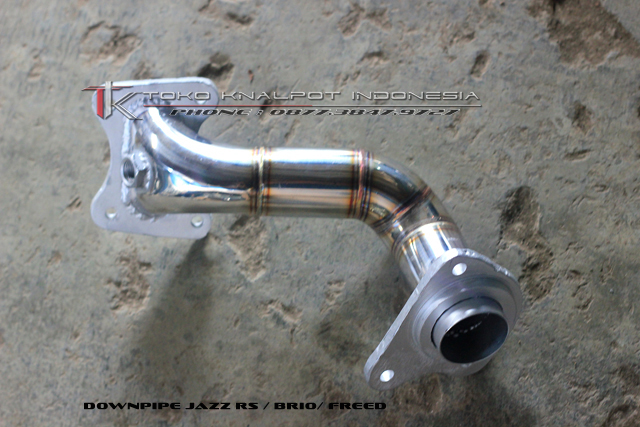
GAMBAR DOWNPIPE / INTAKE MANIFOLD


GAMBAR RESONATOR


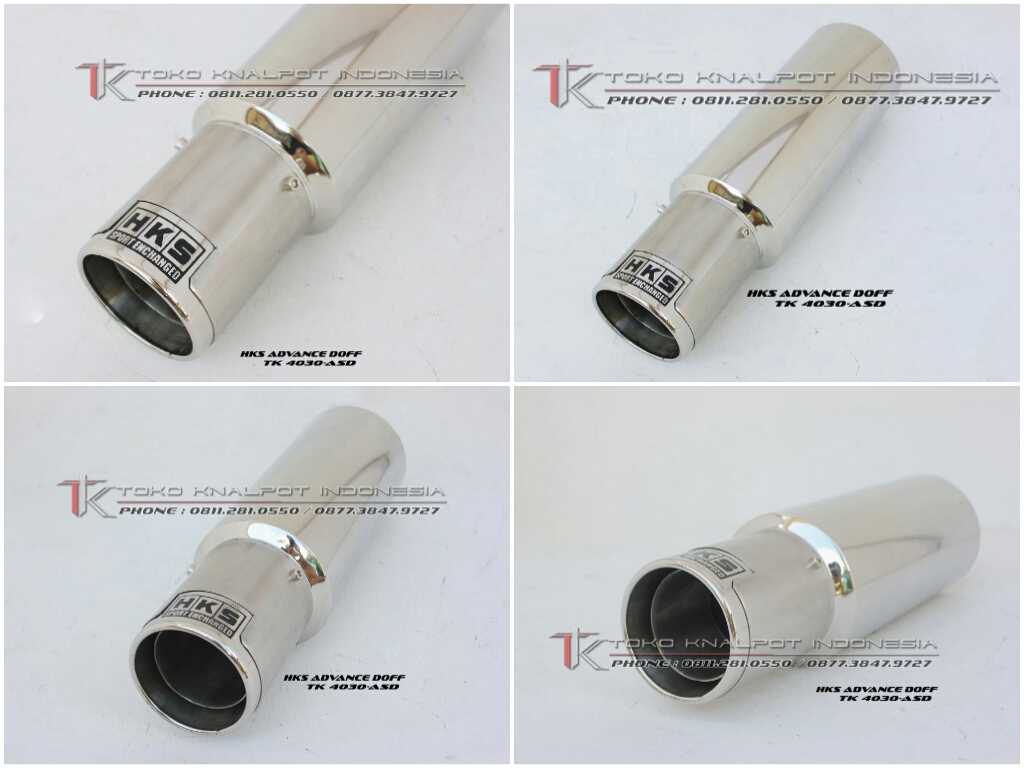
GAMBAR MUFFLER


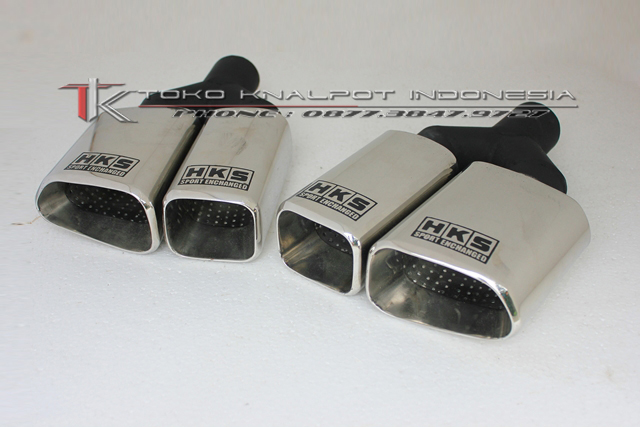
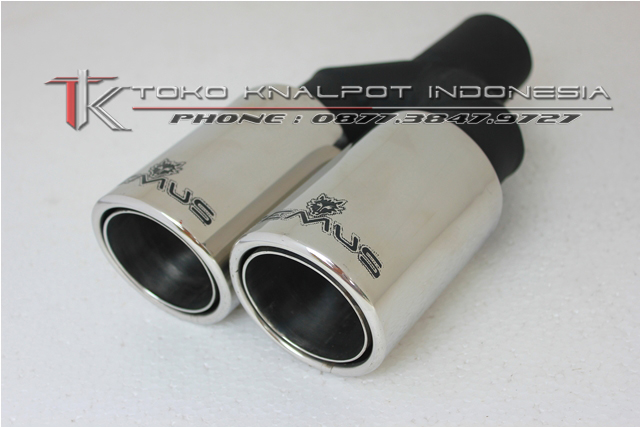
GAMBAR TAIL PIPE

  • Untuk mobil matic, kami sarankan untuk tidak mengganti resonator maupun header, bagi mereka pengguna mobil matic untuk keperluan sehari-hari , cukup dengan mengganti muffler saja, tidak perlu mengganti resonator ataupun header, karena settingan mobil matic pabrik telah dihitung tiap langkah dan tenaganya sehingga penggantian header maupun resonator tidak perlu, cukup dengan mengganti muffler suara pun sudah berubah, dan tenaga tetap maksimal.
  • Sesuaikan Dengan Kebutuhan, kami sarankan anda mengganti knalpot sesuai dengan kebutuhan, apabila anda hanya ingin mobil tampil gaya, sebaiknya gunakanlah muffler cutting yang hanya berfungsi sebagai aksesoris saja, tetapi apabila anda ingin suara berubah, gunakanlah muffler
  • Hindari karat. Dengan terjadinya karat pada knalpot, maka terdapat kemungkinan asap masuk ke dalam kabin. Walaupun asap yang masuk hanya sedikit, hal itu dapat membahayakan kesehatan serta keselamatan para penumpang di dalam mobil. Selain itu, juga akan mengurangi efisiensi penggunaan bahan bakar kendaraan Anda, maka dari itu gunakanlah bahan yang terbuat dari stainless full, bukan hanya tampilan luar saja yang stainless, akan tetapi juga lebih baik apabila bagian dalam juga menggunakan stainless, karena bahan stainless itu anti karat, anti keropos dan daya tahan lebih lama.

Demikian penjelasan dari kami, semoga bermanfaat bagi para modifier


TOKO KNALPOT INDONESIA

Pro dan Kontra Knalpot Modifikasi

Memodifikasi knalpot merupakan salah satu pilihan untuk menaikkan performa kendaraan. Dengan melakukan perubahan tersebut diharapkan knalpot dapat menyalurkan gas buang dengan lancar dan menimbulkan efek sedot pada ruang bakar kendaraan sehingga efisiensi volumetrik meningkat. Dewasa ini, memodifikasi knalpot agar menghasilkan performa kendaraan yang diinginkan, sangat diminati oleh kalangan pengguna kendaraan bermotor. Dengan berbagai alasan mereka merubah knalpot standar kendaraan mereka, untuk mendapatkan performa kendaraan yang diinginkan.

Anggapan orang selama ini yang kontra dengan knalpot modifikasi selalu beranggapan bahwa memodifikasi knalpot selalu identik dengan suara keras, berisik dan mengganggu, tetapi apabila kita lihat dari segi kebalikannya bahwa knalpot modifikasi tidak harus selalu keras, dan bising. Kita lihat dari segi artistik bahwa knalpot bisa memperindah tampilan mobil, membuat mobil lebih elegan tanpa harus mengeluarkan suara bising dan mengganggu orang lain.

Misal sebagai contoh produk tail pipe yang dikeluarkan oleh Toko Knalpot Indonesia , fungsi tailing series hanya sebagai aksesoris mobil saja, tidak mengubah suara asli mobil sedikitpun, mobil bisa bergaya, dan tidak mengganggu orang sekitarnya

contoh tail pipe :


Berbeda lagi dengan produk muffler membuat suara mobil berubah, menjadi lebih nge-bass dan empuk, dan suara tidak memekakkan telinga.

contoh muffler :


Semua kembali ke pribadi masing-masing, apakah mereka pro ataupun kontra kita terhadap modifikasi knalpot itu pilihan masing-masing individu.


Toko Knalpot Indonesia

Tips Penting Bagaimana Cara Memblokir Rekening Penipu Online


Penipuan belanja secara online di dunia maya akhir-akhir ini sangat sering terjadi, banyak sekali yang telah menjadi korban dari penipuan belanja secara online, bahkan terkadang membuat traumatis para konsumen untuk membeli lagi secara online

Jika Anda sering belanja online namun khawatir tertipu, tidak usah khawatir karena sebagai konsumen kita sekarang bisa meminta pihak Bank untuk memblokir rekening bank milik orang yang menipu kita tersebut.

Seperti dikutip dari Kompas.com bahwa korban penipuan melalui transfer bank sekarang bisa meminta bank untuk memblokir rekening pelaku. Dan untuk selanjutnya pihak bank akan mengembalikan dana korban jika pelaku terbukti menipu atau kemudian tidak datang dan memberikan keterangan kepada bank.

Dan peraturan mengenai blokir rekening penipu ini sudah berlaku sejak tahun 2009 dan merupakan upaya pemerintah untuk melindungi nasabah perbankan dari tindak penipuan.

Dengan aturan perbankan ini, maka nasabah yang merasa tertipu dengan mengirim dana melalui transfer, bisa langsung meminta pada bank yang digunakan pelaku penipuan untuk diblokir. Bank akan segera menghentikan sementara rekening pelaku sambil meminta surat laporan dari kepolisian sambil melakukan verifikasi atas laporan korban.

Setelah bank melakukan identifikasi pada pemilik rekening pelaku dan ternyata setelah beberapa kali panggilan pelaku tidak hadir maka, bank bisa memutuskan untuk mengembalikan dana korban.

Kami dari pihak Toko Knalpot Indonesia mencoba merangkum hal-hal yang bisa melindungi konsumen sebagai bentuk kepedulian kami kepada anda

TINDAKAN PREVENTIF SEBELUM MELAKUKAN PEMBELIAN
  1. Selalu pilih online shop yang memiliki website resmi misal http://www.tokoknalpot.com karena dengan memiliki website resmi IP Address pemilik toko online sudah terdaftar di internet beserta alamat beroperasi dan data diri perusahaan, sebaiknya jangan terlalu percaya dengan penjual online yang memasang iklan di toko penyedia jasa online gabungan seperti misal Toko Bagus, Kaskus, facebook
  2. Selalu berhati-hati dengan barang yang ditawarkan dengan harga yang murah, misal handphone yang kita tahu dipasaran harga Rp 4.000.000,- ditawarkan dengan harga Rp 1.500.000,-
  3. Cek kredibilitas Seller, selalu cari tahu informasi alamat dan tempat seller itu beroperasi sebelum melakukan pembelian

APABILA ANDA TELAH MENJADI KORBAN PENIPUAN, ANDA BISA MELAKUKAN PERMOHONAN BLOKIR REKENING PELAKU PENIPUAN DENGAN CARA :
  1. Segera siapkan bukti transaksi, bukti salinan email atau sms atau blackberry messenger.
  2. Jangan lupa siapkan data pihak yang sudah menipu Anda, seperti nomor rekening dan nama pemilik rekening, juga nomor handphone/telepon, dan email / website.
  3. Jangan lupa siapkan juga bukti transfer bank, sms banking, atau internet banking.
  4. Buat kronologi kejadian diatas materai sebagai pelengkap laporan memblokir rekening penipu.
  5. Buat laporan penipuan ke kantor polisi terdekat dan minta surat pelaporan tadi untuk pelengkap laporan ke pihak bank.
  6. Laporkan ke kantor cabang bank yang bersangkutan, misalkan ke kantor cabang BCA atau Mandiri atau BNI atau BRI terdekat, tergantung bank pemilik rekening penipu tersebut. Sampaikan bahwa Anda telah di tipu oleh orang yang mempunyai nomor rekening yang telah anda kirimi uang. Sertakan bukti transfer beserta Surat Laporan Polisi (jangan lupa di foto copy) dan bank akan menampung laporan anda. Usahakan mendatangi Cabang Besar Bank karena akan cepat untuk di tindaklanjuti.
  7. Ajukan permohonan pemblokiran secara resmi sesuai aturan bank tersebut. Biasanya akan ada form yang disediakan oleh pihak bank.
  8. Selanjutnya Anda tinggal menunggu proses pemblokiran oleh pihak Bank, jangan lupa tinggalkan alamat dan nomor telepon Anda agar mudah dihubungi oleh pihak Bank.
  9. Dari laporan Anda untuk memblokir rekening tersebut, bank akan melakukan investigasi dan segera memblokir rekening tersebut. Rekening yang terblokir hanya bisa di buka oleh yang punya rekening, sehingga jika si penipu akan membuka blokir maka investigasi mendalam akan di lakukan oleh bank dan tidak menutup kemungkinan akan melibatkan kepolisian.

Semoga artikel ini bisa membantu anda semua


Toko Knalpot Indonesia